- Creative Discipline
- Posts
- 122: A $220B Brand Without a Marketing Department
122: A $220B Brand Without a Marketing Department
A Creative History on Hermes - Part One

Chase Mohseni
February 05, 2026
The discipline of making things no one asked for.
Hey everyone, Chase here.
This week we're doing something different.
No ad teardowns. No campaign breakdowns.
Instead, I want to tell you about a company that built one of the most valuable brands on earth…
Without running ads.
Without a marketing department.
Without ever discounting a product.
Without ever asking a customer what they wanted.
Hermès has been in business for 186 years.
They're worth over $220 billion.
And their creative strategy can be summed up in one sentence a former CEO said in an interview:
"We don't have a policy of image. We have a policy of product."
This is Part 1 of their story — from a horse harness workshop to the bags that would change luxury forever.
Let's get into it.
It started with a stitch.
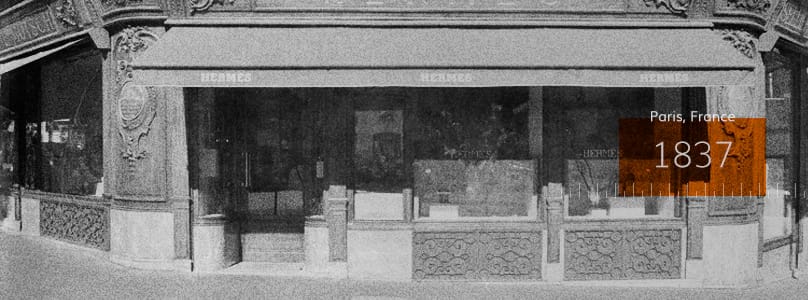
In 1837, a German-born craftsman named Thierry Hermès opened a harness workshop at 56 rue Basse-du-Rempart in Paris.
He wasn't building a fashion brand.
He was solving a problem he'd observed: horses' movements were hampered by poorly-sized equipment.
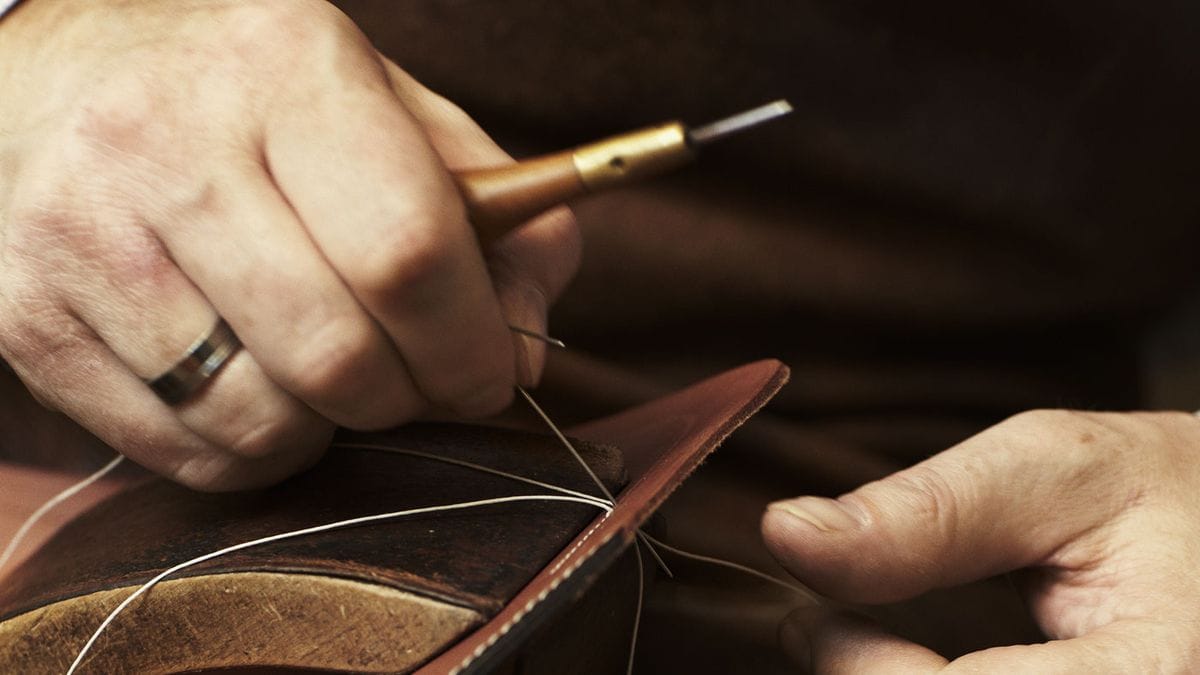
His solution was the saddle stitch — a technique using two needles working two waxed linen threads in tensile opposition. It could only be done by hand.
One stitch. One technique.
That single method became the foundation of everything Hermès would become for the next two centuries.
Not a logo. Not a slogan. Not a color palette.
A stitch.
When your industry dies, don't pivot — ask a better question.
By 1919, the automobile was killing the horse-drawn carriage.
Most equestrian businesses panicked. They diversified. They chased trends. They tried to become something they weren't.
Third-generation leader Émile-Maurice Hermès did something different.
He asked his craftsmen one question:
"What can we make with our hands here that will interest our clients today?"
Not: what's trending?
Not: what are competitors doing?
Not: what does market research say?
What can we make with our hands?
The answer came through curiosity, not strategy. Émile-Maurice visited Henry Ford's factory in America and discovered the zipper in Canada. He brought it back to France and created the first leather golf jacket with a zipper for Edward, Prince of Wales.
The zipper became so associated with the brand that the French started calling it the "fermeture Hermès."
He didn't follow the market. He brought something new to his existing craft — and let the craft speak.
The bags were never supposed to be fashion.
This is the part that kills me.
The most iconic bags in luxury fashion history were never designed as fashion items.
The Haut à Courroies (1892) — the original Hermès bag — was designed to carry saddles and riding boots. Not to be carried down a runway.
The Bolide (1923) became the first handbag in history to feature a zipper closure. It was designed for function. The zipper kept things from falling out during travel.
And the bag that would eventually become the Kelly — one of the most coveted objects in the world — was designed in 1935 by Robert Dumas simply as a "ladies' bag with straps."
That's it.
No campaign brief. No focus group. No influencer seeding strategy.
A ladies' bag with straps.
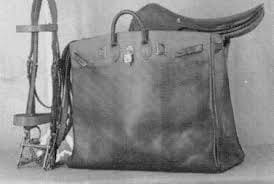
This is an older image - wanted you to have the deep info
Here's what's wild about this: Hermès spent over 20 years making these bags before any of them became famous. The Kelly bag sat in their catalog for two decades before it got its name. It wasn't even called the Kelly until 1956.
They didn't need the world to validate the product.
They trusted the craft.
Your ads bring them in. Your website closes the deal.
We spend all this time getting the creative right — the hook, the headline, the scroll-stopper.
Then we send traffic to a website that undoes all of it.
That's why we're bringing the team from Oddit to the next Creative Playbook to break down how to build websites that actually convert — with less pain, less guessing, and more discipline.
📅 Feb 10 @11am PST on Zoom.
Bring your questions. Bring your URLs. We're fixing sites live.
The discipline nobody talks about: making things slowly.
While we're out here optimizing for speed — faster launches, faster iterations, faster creative cycles — Hermès was building the opposite model.
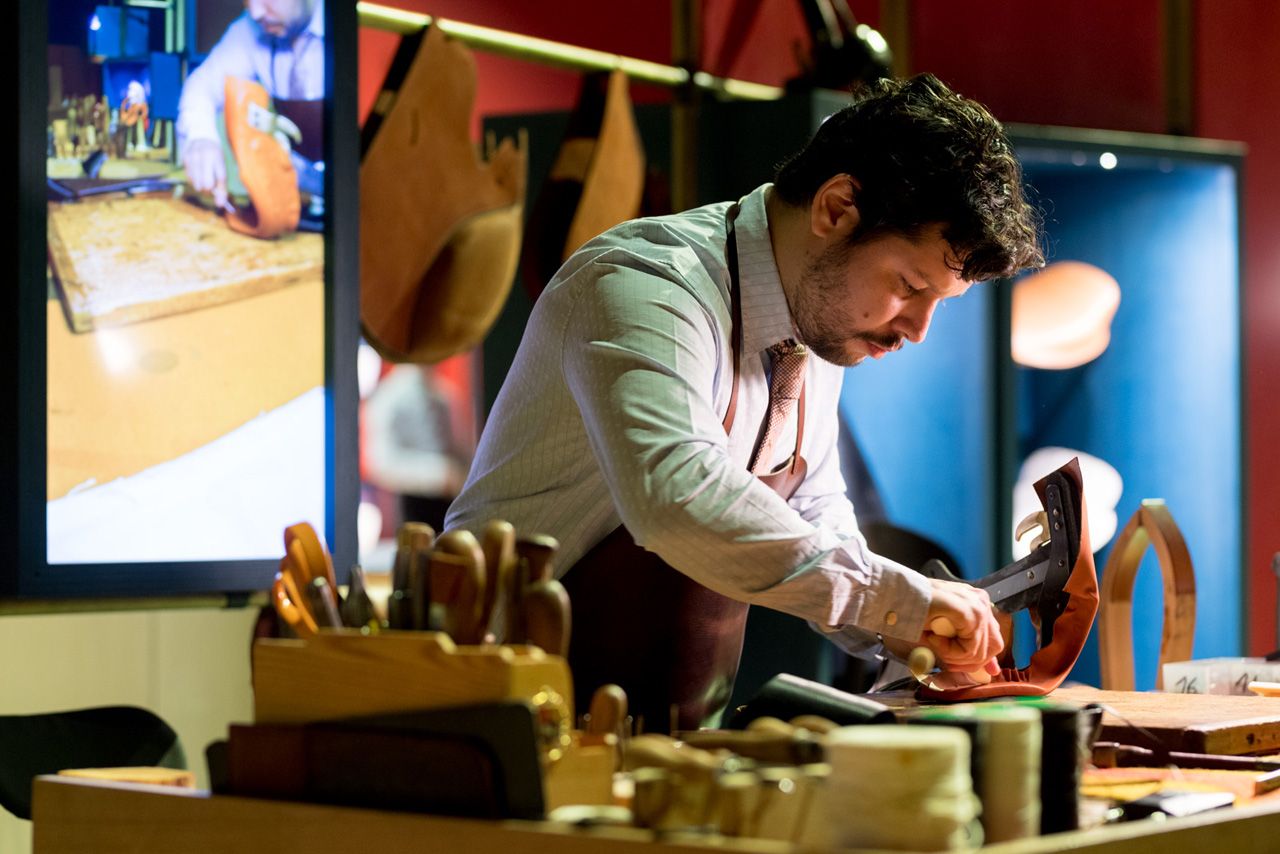
A single craftsman makes each bag from start to finish.
Not a production line. Not a team. One person.
A Kelly bag takes 18-20 hours of handwork.
New artisans don't touch a product for sale until they've completed an apprenticeship that lasts 18 months to 4 years.
Émile-Maurice didn't just maintain quality standards — he embedded slowness into the DNA of the company. Speed was the enemy. Patience was the brand.
And here's the part that should make every marketer uncomfortable:
It worked.
Not despite the slowness. Because of it.
Scarcity wasn't a tactic. It was a byproduct of refusing to compromise.
What this tells us about Creative Discipline
By 1935, Hermès had been in business for nearly a century.
They had invented new categories of leather goods. They had served royalty. They had survived an entire industry dying underneath them.
And they had done it without:
A marketing department
A single advertisement
A discount, ever
A product designed by committee
The bags existed. The craft was established. The philosophy was set.
But nobody outside Paris really knew the name yet.
That was about to change — and the way it happened would prove that the most powerful marketing on earth is the kind you don't plan.
Next week: how a wartime shipping mistake and a pregnant princess turned Hermès into the most recognizable luxury brand alive.
Until next time,
Chase
That’s all! If you’re looking to find inspiration and the best creative workflow out there, come hang out with us at CreativeOS and tell your friends!