- Creative Discipline
- Posts
- 86 Videos. 48 Hours. The Social Media Campaign Nobody Planned. (Old Spice, Part 2)
86 Videos. 48 Hours. The Social Media Campaign Nobody Planned. (Old Spice, Part 2)
A Creative History of Old Spice - Part Two

Chase Mohseni
May 07, 2026

After "I'm on a horse" - the improvised follow-up that changed what brands could do on the internet.
Hey everyone, Chase here from CreativeOS. Last week we covered the brief, the insight, and the campaign.
By the summer of 2010, "The Man Your Man Could Smell Like" had become one of the most-watched ads in internet history. Old Spice body wash was #1 in the United States🤯!
W+Kennedy could have stopped there.
Instead, they did something that had never been done at scale: they put Isaiah Mustafa in front of a camera for 48 hours and had him personally respond to people on the internet.
Not with pre-scripted replies. With videos.
In this issue, you'll learn:
How a two-day social stunt generated more press than the original campaign
Why the improvised response campaign worked when planned content usually doesn't
What the Old Spice playbook teaches about the relationship between authority and humor
The setup.
In July 2010, W+Kennedy proposed an experiment.
Old Spice was still the conversation on the internet. People were tweeting at the brand, leaving YouTube comments, posting parodies. The cultural moment hadn't expired — but it would, if the brand didn't do something to extend it.
The idea: find the most interesting, funny, weird, or emotionally compelling @mentions directed at Old Spice and have Isaiah Mustafa respond to them. On video. In character.
They set up a simple production environment — good lighting, a camera, a director. Mustafa would read a tweet, improvise a response in character, shoot it in one or two takes, and move on. Then upload immediately.
No scripts. No approval rounds. No legal review. No waiting.
The agency and brand had agreed in advance: the whole thing would move fast enough that traditional brand approval processes couldn't touch it.
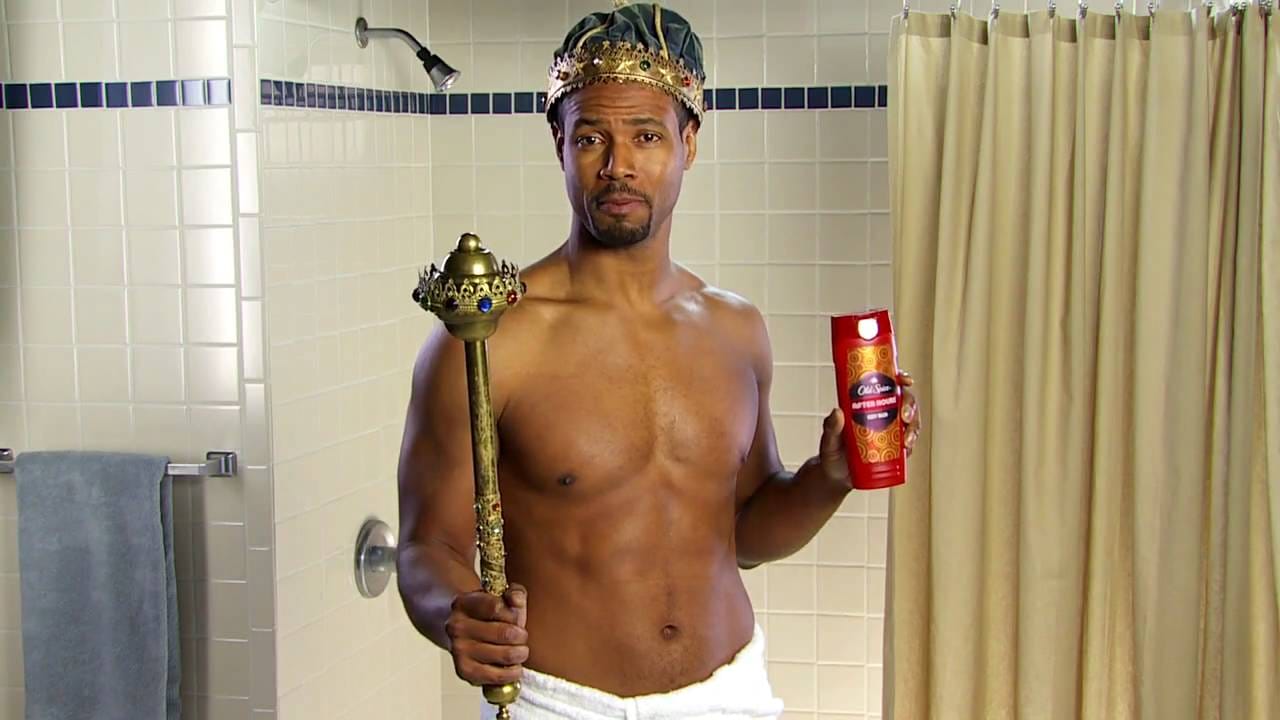
The 48 hours.
Over two days, they produced 186 personalized video responses.
The targets weren't random. The team monitored Twitter and YouTube in real time and selected responses strategically — choosing tweets from celebrities, from journalists, from accounts with large followings, and occasionally from ordinary people whose tweets were just extremely funny.
Alyssa Milano got a response. Ellen DeGeneres got a response. Demi Moore, Kevin Rose, and several prominent tech bloggers got responses.
The response to Perez Hilton: "We heard you like diamonds, Perez. So we put some diamonds in your video about diamonds so you can bling while you bling."
Each video was roughly 30-60 seconds. Each was done in Mustafa's fully committed, absolutely confident character. The jokes landed because the commitment never broke — the same quality that made the original spot work was present in every one of the 186 follow-ups.
Within 24 hours, Old Spice had the #1, #2, and #3 most-watched videos on YouTube.
Total views in the first 36 hours: over 20 million.
Press coverage arrived immediately. AdAge, Mashable, The New York Times, Fast Company. Every major marketing publication covered it. Most of them in terms of: this changes what brands can do on the internet.
Why improvised worked where planned usually doesn't.
Brands attempt "real-time marketing" constantly. It almost always fails, or at best produces polished content that nobody cares about.
The Old Spice response campaign worked for three specific reasons.
Speed was genuine, not performed. Most real-time marketing takes days of approvals and looks like real-time marketing. These videos were shot and uploaded in under an hour. The authenticity came from the actual pace — there was no way to make something that looked that rough and immediate unless it actually was.
The character was established. Mustafa wasn't improvising as himself. He was improvising as the character. That character had context, stakes, and an established voice from the original spot. The responses landed because the viewer already understood who was talking.
The brief was freedom. The agency had bought enough goodwill with the client through the success of the original campaign that P&G trusted them to move without approval gates. Without that trust, the experiment couldn't have happened. Speed was the product — and speed requires trust.
Why CreativeOS?
Most tools make you feel like you're working. CreativeOS makes you feel like you're making something.
Your brand DNA, already loaded. 100K+ starting points so you never start creating from scratch.
Come see what it feels like to actually enjoy the work.
Try it free → 50% off this month only.
What it did to Old Spice long-term.
Old Spice sales had increased 107% after the original spot. After the response campaign, sales increased another 55% — a total of 125% growth in six months against the same period the previous year.
More importantly, the brand's age demographic shifted measurably. The 18-34 male segment that had associated Old Spice with their grandfathers was now buying it for themselves.
The campaign won 19 advertising awards. It's still studied in marketing programs.
But the longer legacy was what it demonstrated was possible: that a brand with deep roots and a stuffy reputation could completely reposition itself through a single creative decision, then sustain that repositioning through creative courage in the follow-through.
Old Spice didn't run better ads. They made a fundamentally different choice about what kind of brand they wanted to be — and then committed to it all the way.
The Old Spice Creative Playbook
Reframe the audience before you write the creative. The insight that women buy men's body wash unlocked the entire campaign. Knowing who actually influences the purchase — not just who uses the product — changed the brief entirely.
Absurdity requires commitment. The joke in Old Spice was fully committed delivery of impossible claims. Half-committed absurdity is just confusing. Full commitment is comedy.
Establish the character before you use the character. The response campaign worked because Mustafa's persona was already understood. You can't improvise at scale until the audience knows who's improvising.
Speed is a creative decision. The response campaign's impact came directly from its pace. Approval gates would have killed it. The trust to move without approval was built over months of successful work — creative courage is earned before it's exercised.
Cultural heat has a short window. The response campaign happened at exactly the right moment — when the original spot was still the cultural conversation. Waiting another month would have meant responding to a moment that had passed. Reading the window is a skill.
Keep Creating,
Chase
P.S. — Sign up for our events calendar so you can get access to all the experts we work with helping you build your creative intelligence in real time.
P.P.S. — A few friends have been working with Automatic, an AI integration agency, on custom automations and internal systems. What they've built is genuinely impressive. Worth a look if you're trying to turn AI into real operational leverage instead of another tab open in your browser.